
The Story of Huguenot House
A preserved piece of early Cape heritage, shaped by artisans, merchants, and time itself.
Huguenot House (c.1752)
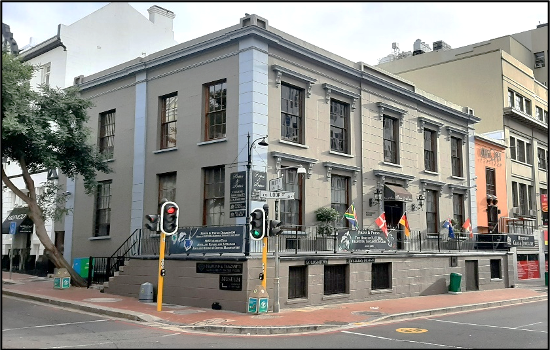
Huguenot House is one of Cape Town’s oldest surviving residences, built around 1752 when the city was still a modest colonial settlement. Its Cape Dutch structure, thick clay walls, timber ceilings, and finely crafted details reflect the architectural traditions and craftsmanship that shaped early Cape life. The building has stood witness to more than two centuries of change, serving various families, merchants, and craftsmen throughout its long history.
Today, this landmark is the historic home of Prins & Prins Diamonds and the Museum of Gems & Jewellery. Visitors are invited to explore its preserved rooms, heritage features, and curated displays — experiencing first-hand how South Africa’s natural treasures and cultural history come together in one of Cape Town’s most distinctive heritage spaces.
Origins of a Cape Landmark
The property was first granted during the administration of Governor Ryk Tulbagh, when Cape Town was still a small but steadily growing settlement. Early residents included Hendrik Pretorius, followed by families such as the Tregards and the von Wiellighs. Their lives, trades, and daily routines helped shape the character of the house in the mid-18th century.
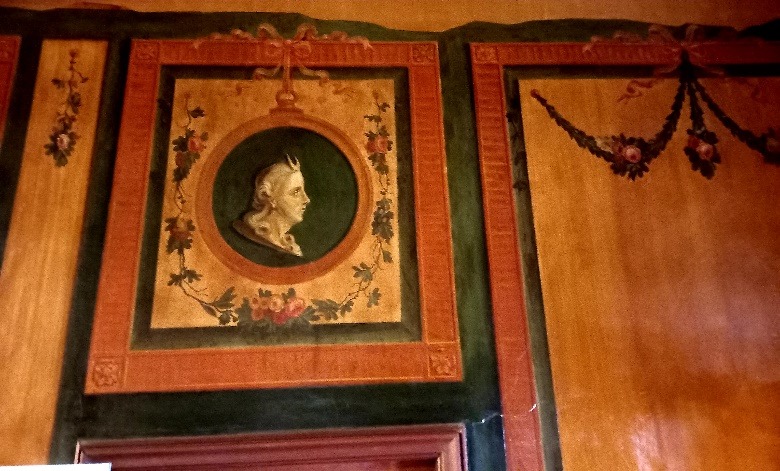
The home’s timber ceilings, wide clay walls, and original painted friezes reflect the building practices of the era and offer a glimpse into early Cape domestic life — a period when craftsmanship and practicality guided every detail of construction.
The Wine Merchant Era
By the 19th century, the house had become known locally as Huguenot House and served as a wine merchant’s premises. Its Loop Street location placed it within a lively commercial district, where traders, travellers, and craftsmen passed through daily as part of the city’s growing economic network.
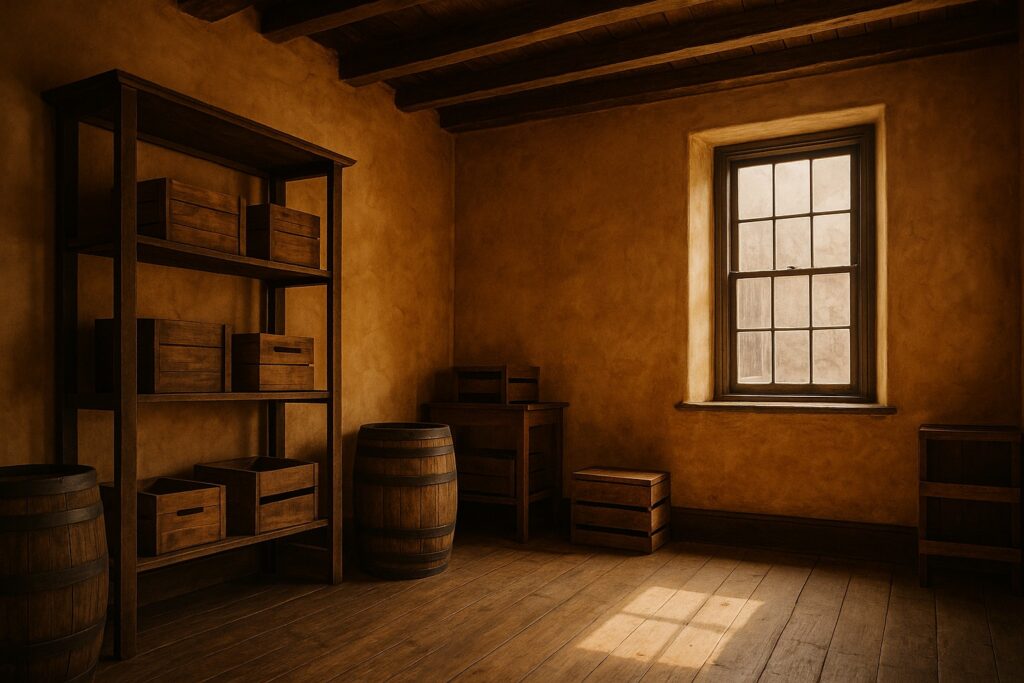
The building’s strong construction and generous interior spaces made it well suited to the storage and trade of wine. Barrels, crates, and simple shelving would have filled the rooms, reflecting the practical, workmanlike character of the period. Although few records survive, the atmosphere of this era is still echoed in the structure’s layout and enduring architectural features.
Restoration and Architectural Heritage
Huguenot House preserves an exceptional range of original architectural features: wide clay walls, hand-pressed klompie bricks, yellowwood beams, and hand-painted friezes depicting classical figures such as Luna, Neptune, Ceres, and Bacchus. These details reflect the craftsmanship and decorative style of the early Cape.
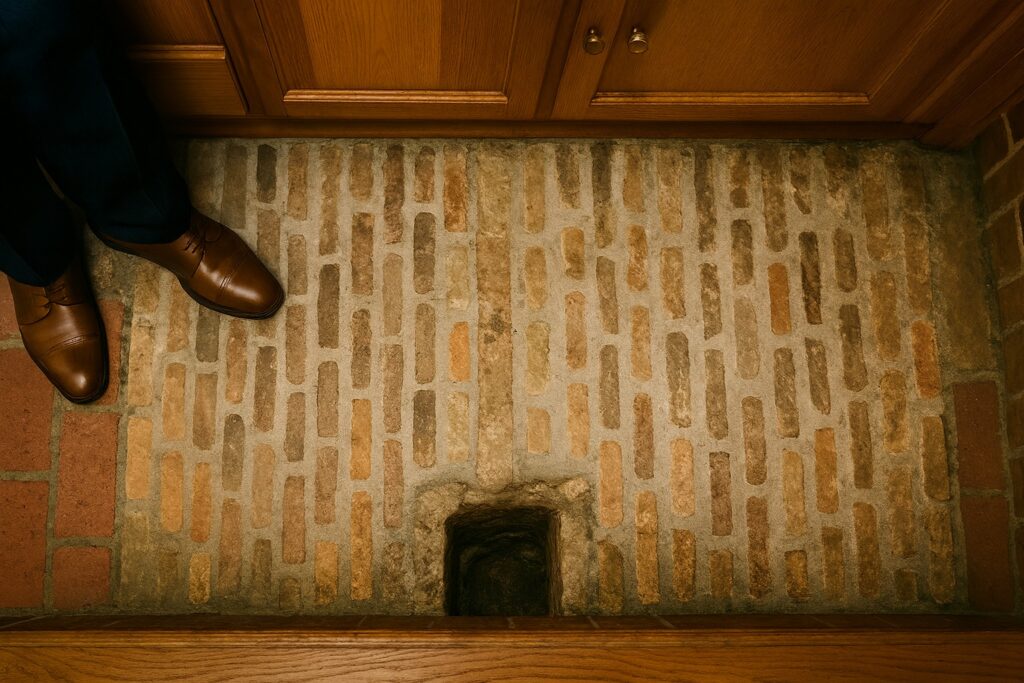
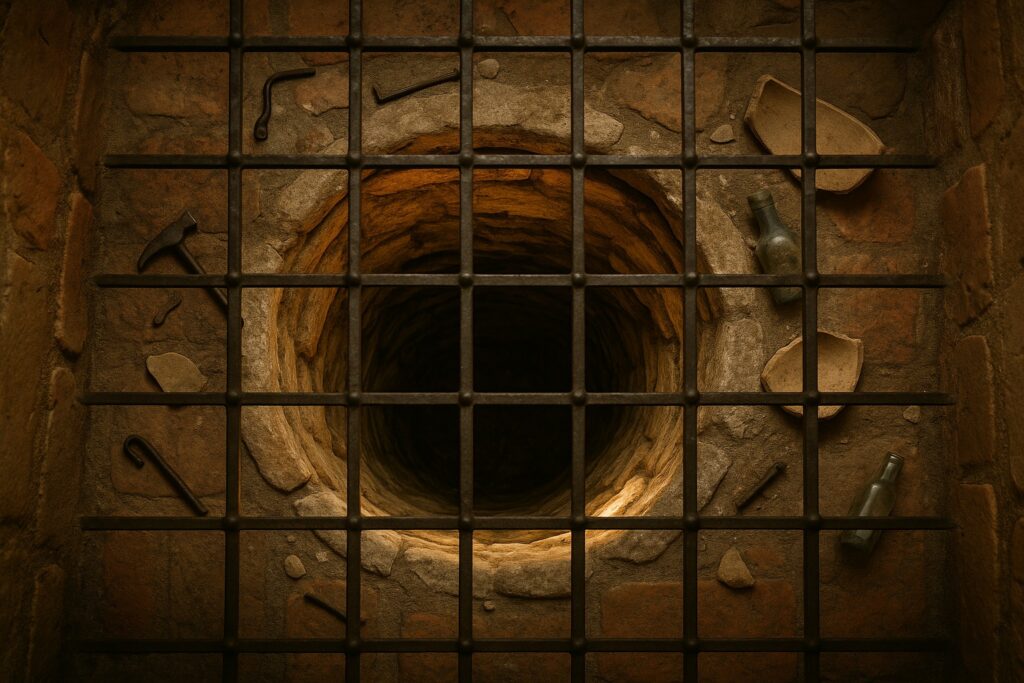
A careful restoration in the 1990s by architect Gabriel Fagan stabilised the structure and brought many of these elements back to light — including the exposed klompie-brick flooring and the historic water well now protected beneath a steel grate. His work ensured that the building’s character and historical integrity would endure.
Today, these preserved features offer visitors a rare glimpse into early Cape domestic architecture and the skill, artistry, and cultural traditions that shaped its design.
Discoveries Beneath the Floors
During restoration, a stone-lined well and a collection of artefacts dating from roughly 1740–1840 were uncovered beneath the wooden floors. These items — fragments of pottery, glass, tools, and everyday domestic objects — offer a tangible glimpse into the routines, habits, and daily life of the home’s earliest residents.
Together, these finds reveal that Huguenot House is more than a historic structure; it is a layered archaeological site where traces of the past continue to emerge, deepening our understanding of the people who once lived and worked within its walls.
A Living Heritage Setting
Today, Huguenot House is home to Prins & Prins Diamonds, its jewellery atelier, and the Museum of Gems & Jewellery. The building functions as both a preserved cultural landmark and a living centre of craftsmanship, where historic architecture and modern jewellery design coexist under one roof.
Visitors can explore curated exhibitions, learn about South Africa’s gemmological and cultural history, and step into the working atelier to observe master goldsmiths practising traditional skills refined over generations. The sounds, tools, and techniques on display reveal how raw materials are transformed into fine jewellery with precision and artistry.
This rare combination of museum, heritage site, and active workshop makes Huguenot House one of Cape Town’s most distinctive cultural spaces — a place where history is not only preserved, but continually brought to life through the hands of its craftsmen.
Explore the Legacy of Huguenot House
Huguenot House stands today as a rare survivor of early Cape architecture — a place where history, artistry, and culture meet across centuries. From its 18th-century origins to its modern role as home to Prins & Prins Diamonds and the Museum of Gems & Jewellery, the building continues to echo the craftsmanship and stories of those who shaped it.
We invite you to explore its living heritage in person and experience why Huguenot House remains one of Cape Town’s most distinctive cultural landmarks.